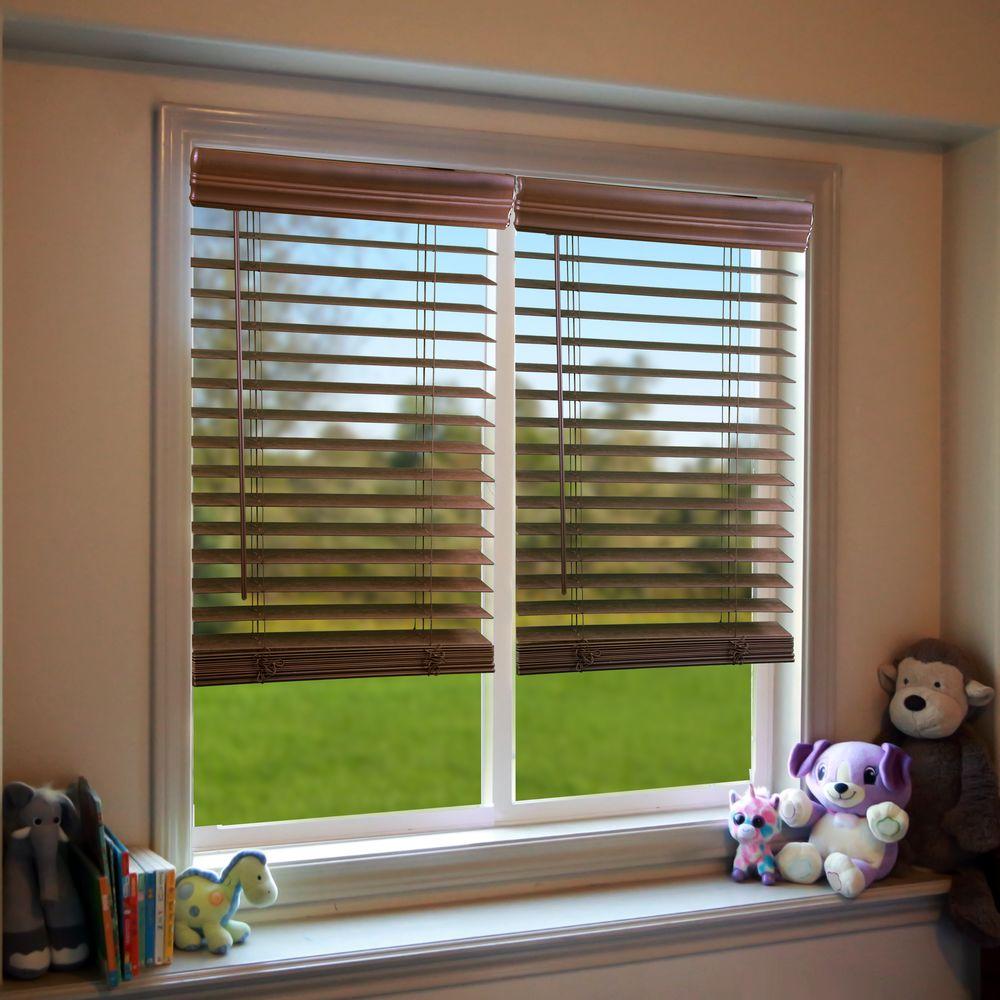
In the pursuit of living in comfort, we tend to tend to focus on expensive items. Many times, it is overlooked that blinds on windows can be an extremely effective player in the realm of energy efficiency. Window blinds in the climate, with its hot summers and frigid winters, are the principal source of unwelcome heat. It's not just about style and privacy when you take care to protect them with the correct window furniture. They also increase your home's energy efficiency, which has a tangible impact on your budget. The secret to a great window treatment isn't on the surface you can look at. It's in the under-the-hood technology that traps heat, then reflects it and assists in insulate.
To understand the opportunity to maximize your chances, first you need to understand the issue: the physical properties of the window. Glass is an inefficient insulation. In summer, it functions as an magnifying lens which allows solar radiation to penetrate into your house. It absorbs heat by furniture and floors, and then reradiated as longwaves. In winter, it's reversed. The radiant heat of the heater escapes via your glass's cold surface. Standard, single-layer blinds--a simple piece of fabric or vinyl--offer only a small amount of protection. Although they block glare well but they do little to block convective transfer of heat. Designs that use reflective or trapped air can be very effective.
There are two types of blinds that are worthy of praise for their effectiveness at home honeycomb blinds (or cellular blinds) and thermal-backed blinds.
The Thermal-Backed Roller Blinds: The Reflective shield
Think of these as the foil that is insulated to fit your windows. A standard blockout blind can be transformed into an energy-efficient thermal source with the addition of an extremely thin, and often metallic layer that is bonded to the fabric's back. This layer is crucial. In the summer, this layer is turned outward after the blinds are lowered. This reflective coating acts as a mirror and reflects the majority of the sunlight away from the window. This is a proactive defense. In winter, the same concept operates in reverse. If the blind is down, the reflective surface faces your space. It reflects the radiant heat, which bounces back to your home. It's a simple, elegant and highly efficient technique that transforms a basic blind into a climate-control device. Check for products that list their "Total Solar Energy Rejected", (TSER), percent. A thermal-backed shade of high-quality can reject up 70% of solar heat.
Honeycomb (Cellular) Blinds, Honeycomb: The Insulating Trap
Honeycomb blinds, on the contrary, provide insulation with their clever structural design. Their hexagonal, beehive-like cells aren't just a beautiful design feature, but they also function as mini-insulators. When the blind is pulled down to the ground, these columns of fabric catch and contain pockets of air. Static air is the most efficient insulation. This principle is behind double-glazed windows as well as cavity wall insulation. These trapped air pockets create a powerful buffer space between the glass of your window and your room. They significantly slow down the flow of heat both ways. The glass's blistering heat takes a long time to warm up the air in the cells in the midst of an extreme heatwave. It also slows down the temperature of your home. On a frosty morning, the warmth of your home is kept by the cold glass. Double-cell designs are more effective, since they have two layers of cells to create a stronger and more efficient air barrier. Honeycomb blinds provide the ability to perform in both seasons. They are suitable for use in the winter and summer seasons.
Making use of the product in a strategic manner is more important than simply purchasing it. The sealing of the product is crucial. With gaps, efficiency plummets. This is where professional measuring and installation are non-negotiable. Blinds that are mounted in a window recess will create a better seal on four sides than a blind hanging on the frame. Side channels for face-fitting may be used to help guide blinds and make air or light gaps. It is important to understand how blinds operate. In order for the blinds fully lowered, they need to be in their lowest point during the hottest times of heat. Shut them down as soon as you can after sunset as a way to warm up your home during winter.
When consulting with suppliers, shift the conversation from just colour and cost-per-square-metre. Ask technical questions to reveal the real quality of the product "What is the honeycomb's R-value or insulating rating? "Is this roller blind reflective and thermally backed? What is its percentage TSER?"
The logic behind the financials is convincing. While the initial cost of top quality honeycomb or thermal shades is more expensive than of standard models, they ought to be considered as an investment for the long term, is not an investment. The lower workload, and consequently operating cost, of your cooling or heating system can be substantial. In the long run, the blinds, which could be a decade or more The savings that accumulate on energy bills can effectively cover the cost of the product. Blinds aren't only window treatments. They provide a solution to have a lower, more frequent electric bill.
The selection of energy-efficient window blinds is an important step in making a more sustainable and resilient Australian home. Intelligent design is the key to working with Australia's challenging climate and not fighting it with brute force air conditioning. This makes for a more pleasant home that is quieter and has less drafts. In the current climate of rising energy prices and growing environmental awareness, that hidden layer of insulation in your blinds represents a powerful form of household efficiency. It's a straightforward upgrade that can pay back, season after season, in comfort and cash. See the best blinds for site tips including australian wholesale blinds, just blinds, the perfect blinds, city blind, custom shaped blinds, diy blinds australia, blinds measurements, blinds measurements, perfect fit blinds australia, window shades online and more.

The Silent Switch: How Motorised Shades Are Subtly Redefining Australian Homes
In the Australian imagination, the basic blind has been a manual device. A simple physical act like pulling an arm or a twist of a wand reveals the rhythms of a house. A gradual change in home design is occurring but not due to the shift in material, but because of the change in function. Motorization, previously thought to be an expensive option to be a part of the future, is becoming more and more prevalent in Australian homes. It is a paradigm shift, which transforms blinds into a smart, fully integrated window covering. It provides unparalleled comfort while unlocking new opportunities for energy efficiency. It's not just about cutting the cord. It's about rethinking what a blind can accomplish.
We'll begin by focusing on the immediate attraction. Pure, simple convenience. Look at the architectural elements which are prevalent in Australia, including the bank windows and doors made of glass with an elevated ceiling and the rooflight that is difficult to reach. Handly managing multiple cover-ups in a tall and wide space can be a tiring task. With motorisation, a single command--a button on a remote, a tap on a smartphone, or a voice instruction--orchestrates the entire scene. The blinds can be lowered in the living area to protect it from the afternoon sun. It is possible to open the blinds of your bedroom from bed to greet the new day. This is an excellent solution for large windows or windows with multiple windows. This makes a daunting task into a simple part of your daily routine. Moreover the motor's mechanics are top-quality. A reliable, high-quality motor can ensure a steady, smooth and silent operation. This will eliminate the jerks that are caused by manual systems and also slips or irregular alignment.
The second advantage, which is significant Australian benefit, is the improvement in energy efficiency and climate regulation. Temperature management is one of the most significant energy consumption in the home. Motorisation can be used to achieve strategic, timed operation that manual methods cannot compete with. Blinds can become active participants in the microclimate management of your home through integration with an intelligent system or simple timer. You can program them to open automatically at 11am to block the intense summer sun and avoid heat accumulation. They'll then be raised after dusk. In winter they can be opened during sunny days to absorb passive solar heat, then shut at night to provide insulation. This strategy is proactive and decreases the load on air conditioners and heaters' load, which directly translates to lower costs. Automation for efficiency and comfort.
The argument in favor of motorisation's safety is compelling and has two sides. First, it offers the most effective solution for child safety. It eliminates cords and chain completely, eliminating the strangulation risk at its origin. This is in line with Australian safety standards and exceeds them. Parents and grandparents can enjoy complete security. Second, it enhances the security of your home. Blinds that move randomly are an effective deterrent to potential thieves who search for signs that a home is not occupied. When you're away, your smart blinds can be programmed to rise and lower according to a set time, simulating the presence of guests in a way manually operated blinds or static timers cannot replicate. This lets you incorporate security into your daily routine.
The true potential of motorisation is only realized through integration and intelligent eco-systems. Modern motorised blinds don't exist as a stand-alone product; they're built to connect. They are able to integrate with platforms such as Google Home and Amazon Alexa. But they can also be integrated into a more intelligent home automation system. Imagine that your alarm triggers a "Good Morning Scene" that gradually open the blinds in your bedroom, and then activates the gentle lighting. An "Away" scene that secures the home through locking doors, arming alarms, and closing all blinds. Also, it can be integrated with sensors. For example blinds that are automatically lowered when a temperature sensor in an area reaches an established temperature. This lets you control your surroundings in a receptive manner, but also in a way that is intelligent and easily.
Australians have more options than ever before to make this choice. Retrofit solutions are now available that motorise existing blinds and railings, but without having to completely replace them. In new installations you have the option of choosing between hardwired and battery-powered units. Battery-powered systems offer great flexibility and are easy to install. In standard usage, modern lithium batteries last for two years. They are a hassle-free permanent solution that's ideal for new constructions or major renovations, where wiring can easily be planned. It's all dependent on the ease of access to wiring and if you're planning to perform regular battery maintenance or the initial electrical work.
Choosing the best system requires a change in consultation. It is important to inquire with the suppliers "Can this be driven?" rather than just asking "Can it? It is better to ask "How can it be integrated?" Examine their knowledge of smart home technologies (WiFi Zigbee Z-Wave). Find out the reliability of their control ecosystem. You should ask whether they offer a specific warranty of electronics and motors. A reputable company will talk about fail-safes, such as manual override options in case of a power interruption, and will also ensure that the system is calibrated to the precise weight and size of the blind.
A motorised home in Australia is an investment worth making. It will be more efficient, responsive and secure. It tackles the fundamental issues of our climate and our lifestyle by providing elegant, efficient solutions. It turns a passive household item into an active tool for managing the temperature, light and privacy. The initial cost may be higher than manual systems. But the long term advantages, like the reduction in energy consumption, the preservation of furniture, and daily convenience are worth the investment. It's a deliberate step towards a home that isn't just a place to stay but actually works with you as a silent collaborator in crafting the perfect light and temperature and the perfect atmosphere for Australian life, one automated adjustment at a time.